
Section 278 works at Castlepoint
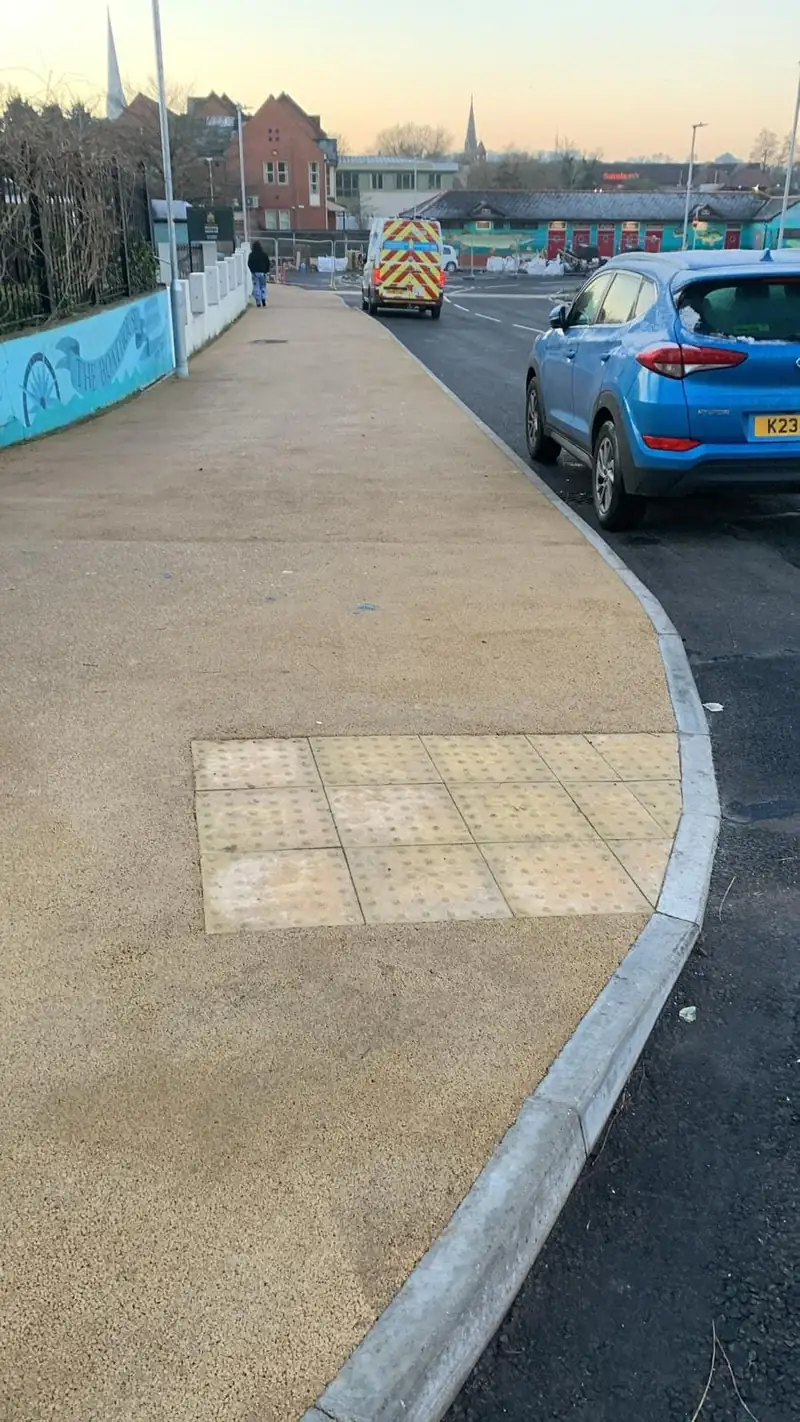
Our multi-phase work at Castlepoint Shopping Centre in Bournemouth, between 2018 and 2024, included the Section 278 works that improved the highways and access points around the site, alongside demolition, drainage, brickwork and resurfacing.
Working on a live road next to a busy shopping centre takes careful phasing and traffic management, and some of the work was carried out at night.
What is a Section 278 agreement?
Section 278 of the Highways Act 1980 allows a developer to enter into a legal agreement with the local highway authority to make permanent changes to a road that is already public highway. It’s usually required by a planning condition or a Section 106 obligation, where a development needs new or improved access to work safely.
The developer pays for the design checks, the works and the authority’s fees, while the authority keeps control of the standard the road is built to. Once the works are finished and through their maintenance period, the highway stays the authority’s responsibility, as it was before.
Section 278 or Section 38?
The two are often confused. Section 38 covers brand-new roads built by a developer, such as estate roads, which the highway authority then adopts. Section 278 covers works to the existing highway. Many housing schemes need both, with a Section 38 agreement for the new estate roads and a Section 278 agreement for the junction where they meet the public road.
Typical Section 278 works
Every scheme is different, but S278 packages usually include some of the following.
- New site accesses, bellmouths and junction improvements
- Carriageway widening, realignment and right-turn lanes
- Kerbing, new and widened footways, dropped kerbs and tactile paving at crossings
- Highway drainage, including gullies, carrier drains and connections
- Ducting for street lighting, signals and utilities
- Sub-base, binder and surface courses, and resurfacing tie-ins to the existing road
- Traffic islands, pedestrian refuges and traffic calming
Our crews deliver the groundworks and civils side of these packages, including excavation, kerbing and footways, drainage, ducting, formation and sub-base, and surfacing.
How the Section 278 process works
Each highway authority runs its own procedure, but the route to a finished S278 scheme generally follows these stages.
- Planning condition. The planning permission sets out the highway works the development needs.
- Detailed design. The developer’s highway engineer prepares the design, which goes through a road safety audit.
- Technical approval. The highway authority checks the design against its standards and approves it.
- Agreement and bond. The legal agreement is signed, fees are paid and a bond or cash deposit is lodged to cover the works.
- Construction. The works are built under the authority’s inspection, with permits and traffic management for working on the road.
- Completion and maintenance. After the final inspection and safety audit, a maintenance period begins, usually 12 months, before the final certificate is issued and the bond released.
Highway authorities in our area
Who you deal with depends on where the site is. In Bournemouth, Christchurch and Poole it’s BCP Council, and across the rest of the county it’s Dorset Council. Hampshire County Council and Wiltshire Council cover sites over the county borders, while motorways and major trunk roads are the responsibility of National Highways.
We build to the specification the relevant authority has approved and work alongside your engineer and the authority’s inspectors through to completion.

Why developers choose AGWS for S278 works
Section 278 schemes rarely stand alone. They sit alongside the groundworks, drainage and surfacing on the development itself, and one team delivering both keeps the access, the site and the programme lined up.
We’re a Poole-based groundworks contractor with a team of over 50 people, and our clients include Lidl, EG Group and the Ministry of Defence.
Proudly Partnering With


Section 278 questions
Who pays for Section 278 works?
The developer. The agreement covers the highway authority’s design checks and inspection fees as well as the works themselves, and the bond protects the authority if the works aren’t completed.
How long does a Section 278 agreement take?
It varies with the authority, the complexity of the design and how quickly the approvals and legal agreement come together. Technical approval and legal sign-off can take several months, so it pays to start early in your programme.
What is the difference between Section 278 and Section 38?
Section 278 is for changes to an existing public road. Section 38 is for new roads built by a developer that the highway authority agrees to adopt as public highway.
Can work start before the agreement is signed?
Not on the public highway. Work on the road can only start once the agreement is in place, the design is approved and the permits for working on the highway have been issued. Groundworks inside the site boundary can often go ahead in the meantime.
Do you only build the highway works?
No. Most of our S278 work sits alongside groundworks on the development itself, including site clearance, excavation, foundations, deep drainage and surfacing. See our commercial and industrial groundworks for more.